
Sound Sensitivity: Why Do Everyday Sounds Feel Too Loud?
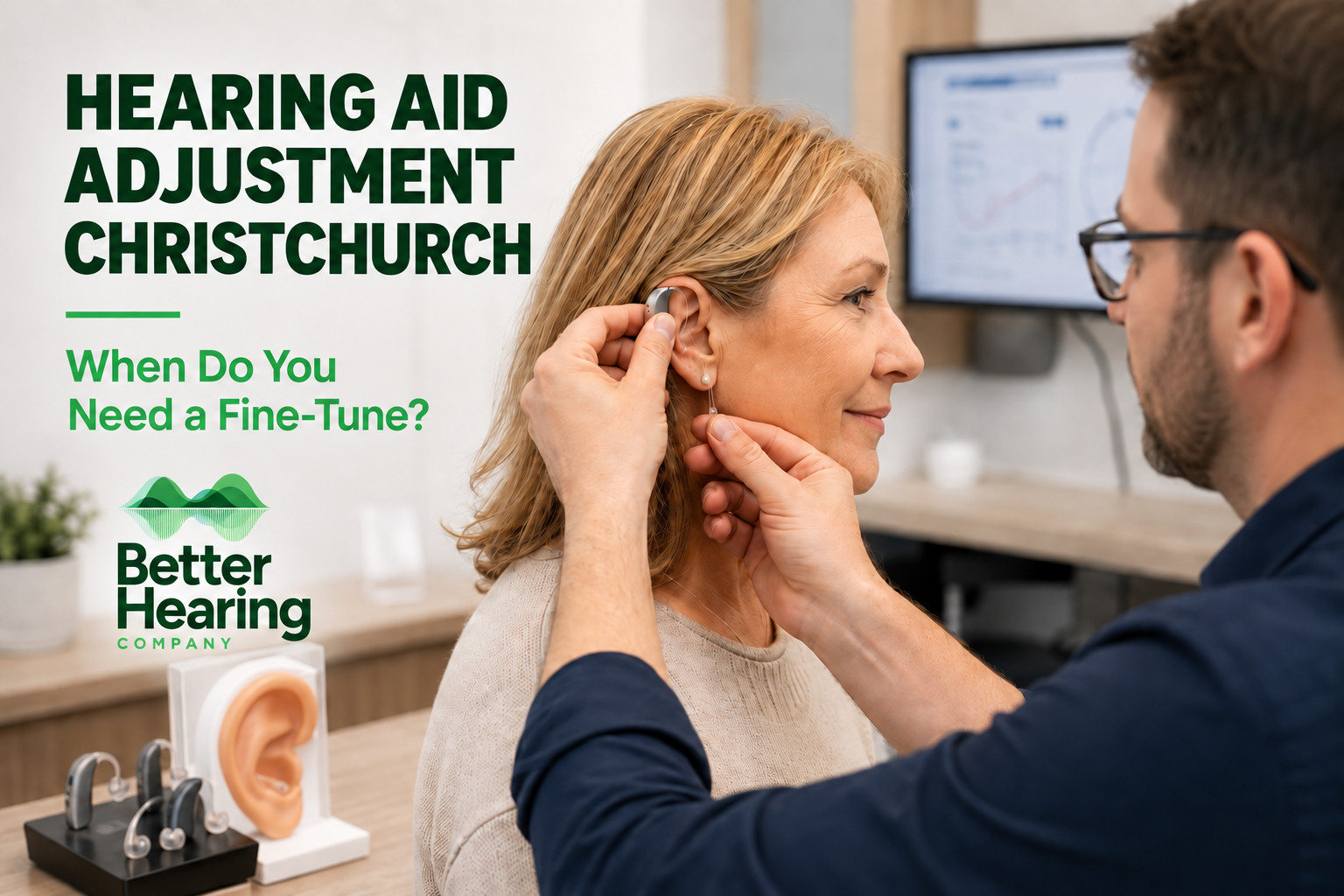
Getting hearing aids is an important step towards managing hearing loss, but the process doesn’t necessarily end when you receive your devices.
Your hearing aids need to work comfortably within your everyday life.
That means they should be appropriate for your hearing needs, comfortable to wear and suitable for the situations where you most need help.
Sometimes, however, your hearing aids may not feel quite right.
Sounds might seem too loud. Voices may not sound natural. Background noise may still be difficult. You may even find yourself leaving your hearing aids at home because you aren’t comfortable wearing them.
If this is happening, it doesn’t automatically mean your hearing aids are unsuitable.
A hearing aid adjustment or fine-tuning appointment may be worth discussing with your audiologist.
What Is Hearing Aid Fine-Tuning?
Hearing aid fine-tuning is the process of reviewing and adjusting the settings of your devices to better suit your hearing and listening needs.
Hearing aids are programmed using information about your hearing, but your real-world experience also matters.
Two people with similar hearing test results may have very different lifestyles and communication needs.
One person might spend most of their time in a quiet home environment.
Another might regularly attend meetings, restaurants, social events or busy workplaces.
The way hearing aids are configured may therefore need to take individual circumstances into account.
8 Signs Your Hearing Aids May Need Adjustment
1. Everyday Sounds Feel Too Loud
If ordinary sounds suddenly seem unusually loud after getting hearing aids, tell your audiologist.
Your brain may also need time to adjust to hearing sounds that you haven’t been hearing as clearly, particularly if you’ve had hearing loss for some time.
However, persistent discomfort should be discussed rather than simply tolerated.
2. Voices Don’t Sound Natural
Some people notice that voices sound different when they first begin using hearing aids.
You might describe voices as:
- Robotic
- Tinny
- Harsh
- Hollow
- Unnatural
Your audiologist can discuss what you’re experiencing and determine whether adjustments may be appropriate.
3. Background Noise Is Still Difficult
Hearing aids can provide valuable support, but noisy environments can remain challenging.
If restaurants, meetings or group conversations are still particularly difficult, tell your audiologist.
Your hearing-aid settings and other communication strategies may need to be reviewed.
4. Your Own Voice Sounds Different
Some hearing-aid users notice that their own voice sounds unusually loud or different.
This can happen for various reasons, including the physical fit and design of the device.
If it continues to bother you, it is worth discussing with your audiologist.
5. One Hearing Aid Sounds Different From the Other
If one device seems noticeably louder, quieter or clearer than the other, arrange a review.
There may be several possible explanations, and an audiologist can investigate the issue.
6. You Are Wearing Your Hearing Aids Less Often
If your hearing aids spend more time in their case than in your ears, ask yourself why.
Perhaps they’re uncomfortable.
Maybe certain sounds are irritating.
Perhaps you’re struggling to hear in the environments that matter most.
Whatever the reason, telling your audiologist can help them understand what isn’t working for you.
7. Your Hearing Has Changed
Your hearing can change over time.
If you notice a change in your ability to hear, don’t simply increase the volume yourself.
Arrange an appropriate hearing review so your hearing and devices can be assessed.
8. Your Lifestyle Has Changed
Your hearing needs may change when your lifestyle changes.
For example, you might start attending more social events, return to work, move into a busier environment or become more involved in group activities.
Your hearing aids may need to be reviewed to ensure they’re appropriate for your current needs.
Do Hearing Aids Need Regular Adjustments?
There isn’t one adjustment schedule that works for everyone.
Some people may require several follow-up appointments when first getting used to hearing aids, while others may need adjustments later when their hearing, devices or lifestyle changes.
The important thing is to pay attention to your experience.
If your hearing aids aren’t comfortable or aren’t helping in the situations where you need them most, talk to your audiologist.
Better Hearing Co. provides hearing-aid reviews, programming, re-programming, device management and performance review as part of its ongoing hearing-care services.
What Happens During a Hearing Aid Review?
A hearing-aid review isn’t simply about changing the volume.
Your audiologist may ask questions such as:
- How often are you wearing your hearing aids?
- Where do you hear well?
- Where do you struggle?
- Are voices clear?
- Are sounds too loud?
- Is the device comfortable?
- Are there particular environments that cause problems?
- Have you noticed any changes in your hearing?
Your answers provide useful information about how your devices are performing in real life.
The audiologist can then determine whether programming changes, further assessment or another solution may be appropriate.
Why Your Feedback Matters
You are the person wearing the hearing aids every day.
That makes your feedback extremely valuable.
A hearing test can provide objective information about your hearing, but it cannot fully describe what it feels like to sit in a noisy restaurant, attend a family gathering or have a conversation with several people.
Tell your audiologist exactly what you’re experiencing.
Instead of saying only “they don’t sound right,” explain when the problem occurs.
For example:
“They work well at home, but I struggle in restaurants.”
Or:
“My wife’s voice sounds clear, but background noise is too distracting.”
Specific information can make it easier to identify what needs to be reviewed.
How Long Does It Take to Get Used to Hearing Aids?
Everyone adapts differently.
If you’ve lived with hearing loss for a long time, suddenly hearing sounds more clearly can feel unusual.
Your brain has become accustomed to a different sound environment.
Everyday sounds that you haven’t noticed clearly for some time may suddenly become more noticeable.
This doesn’t mean you should simply tolerate significant discomfort.
If something feels wrong, tell your audiologist.
Follow-up care exists to help you through the adjustment process.
What If My Hearing Aids Are Still Not Helping?
There can be many reasons why someone isn’t getting the expected benefit from hearing aids.
The issue could relate to:
- Hearing changes
- Device settings
- Physical fit
- Expectations
- Listening environment
- Device condition
- Communication habits
- Difficulty hearing in background noise
The best way to identify the issue is through professional review rather than making assumptions.
Can an Audiologist Adjust Existing Hearing Aids?
This depends on the hearing aids, manufacturer, device and circumstances.
Better Hearing Co. offers hearing-aid reviews and fine-tuning as part of its hearing-care services.
If you already have hearing aids and aren’t satisfied with how they’re performing, you can discuss your experience with the clinic and find out whether they can assist with your particular devices.
Why Ongoing Hearing-Aid Support Matters
Hearing aids are technology, but hearing care is about much more than technology.
Good ongoing support can help you understand how to use your devices and address problems as they arise.
Your hearing needs aren’t necessarily static.
Your hearing, lifestyle and listening environments can all change.
Having access to professional advice can therefore be an important part of successful long-term hearing-aid use.
Hearing Aid Adjustment in Christchurch
If your hearing aids don’t feel right or aren’t performing the way you expected, Better Hearing Co. provides personalised hearing-aid support in Christchurch.
The clinic can review your hearing and discuss your experience with your devices, including whether programming, fine-tuning or further assessment may be appropriate.
The goal isn’t simply to make sounds louder.
It is to help your hearing technology work appropriately for your individual needs.
Final Thoughts
If your hearing aids aren’t quite right, don’t immediately assume you’ve chosen the wrong devices.
Sometimes the solution may be a professional review or fine-tuning.
Whether sounds are too loud, voices don’t seem natural, background noise remains difficult or your hearing has changed, discussing the problem with an audiologist is a sensible next step.
Not getting the best from your hearing aids?
Book a hearing-aid review with Better Hearing Co. in Christchurch and discuss what you’re experiencing.